Skynet World Trading | laxPRO
Founder operated private label e-commerce business on Amazon Australia. End-to-end demand planning, international sourcing, brand building, and promotional execution. Trading period: March 2020 to mid 2021.
The business currently operates under the trading name "Skynet World Trade" (registered with ASIC since June 2025); the laxPRO trademark was filed in 2021 under the prior trading name "Skynet World Trading". Both names refer to the same continuously active ABN since 2018. Supporting documents are provided at the bottom of this page.
Overview
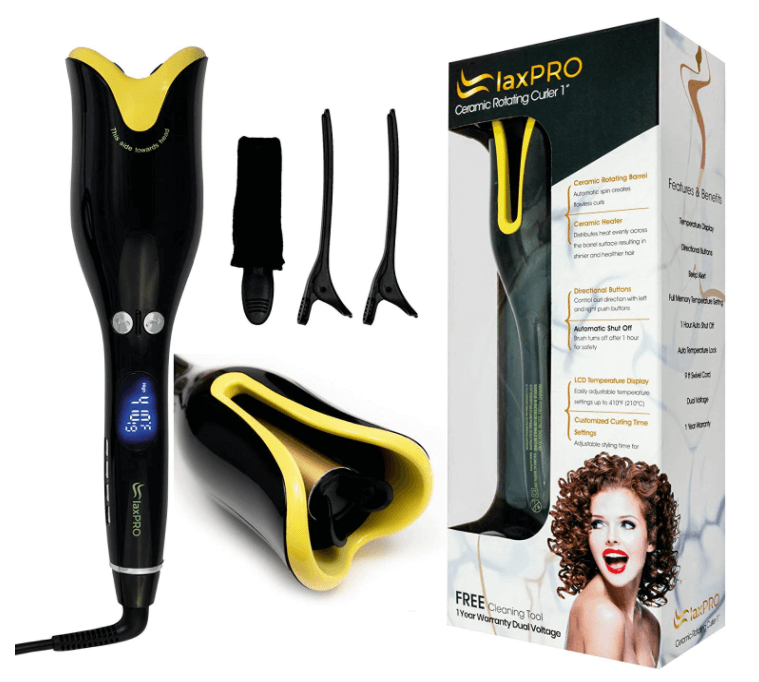
laxPRO was a private label brand of hair styling tools (automatic ceramic curlers and electric straightening combs) that I founded, sourced, branded, and operated on Amazon Australia under my registered business Skynet World Trading (active ABN since 2018).
I owned the full operating cycle: identifying products, negotiating with Chinese suppliers, registering the Australian trademark, designing the packaging, building Amazon listings and A+ Content, managing FBA inventory across two warehouses, running paid search campaigns, and handling customer service. There was no team, every decision and every dollar of working capital was mine, i was operating the e-commerce while working full-time as a chef, and proactively studying how data analytics was going to help me to become more efficient and how to optimize processes efficiently.
The Amazon business was wound down in mid-2021 to focus on a deliberate career transition into formal data analytics and demand planning, focusing more on giving data analytics services to other ecommerces in the US. The trademark remains registered with IP Australia until 2031, and the operating records below are preserved.
Demand Planning & Forecasting
Monthly demand pattern and seasonal forecasting
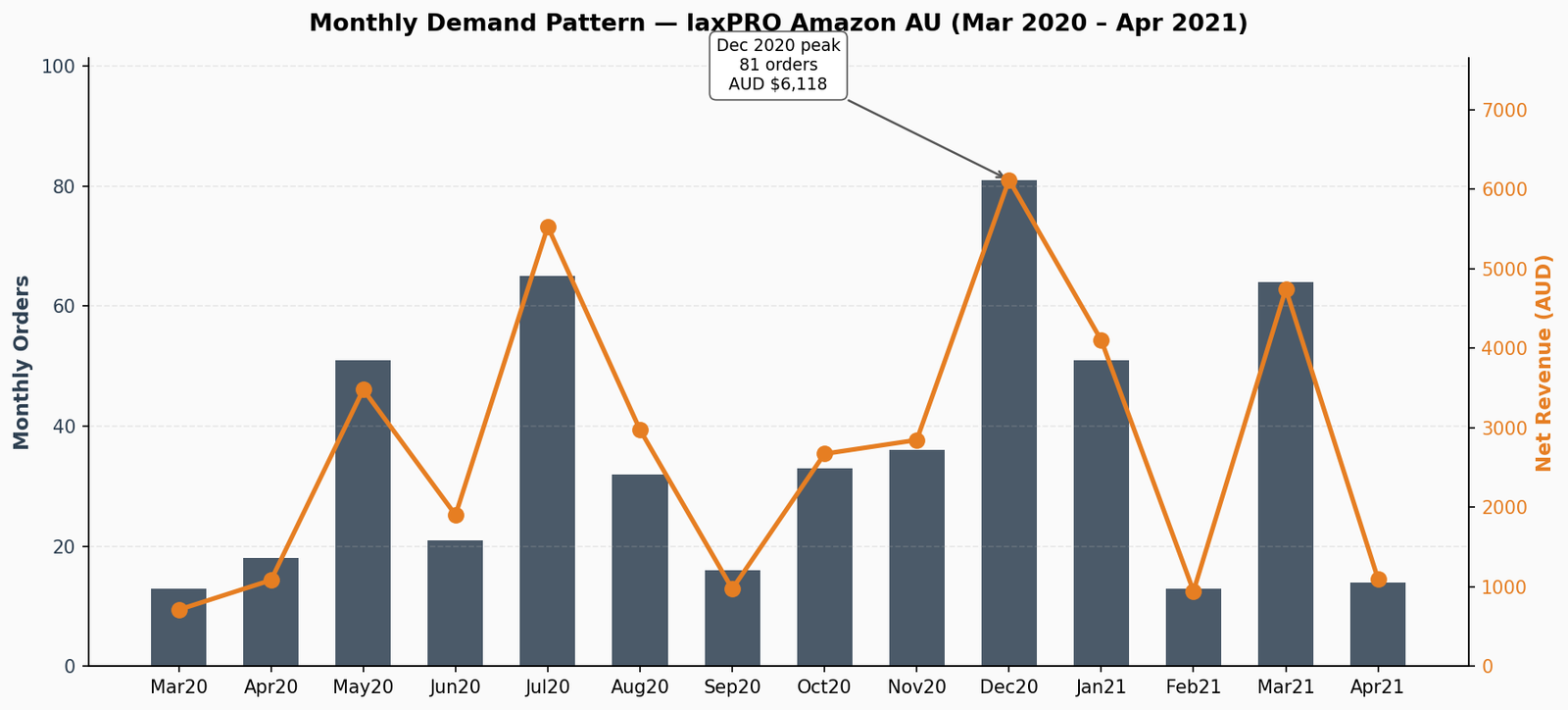
Across 13 verified months of trading, the business processed 508 orders and 510 units sold, generating AUD $39,190 in net revenue. The store in reality made totally around 65K AUD in revenue, but the latest CSVs data exports are not available anymore in the dashboard, unless i start to sell again and pay amazon fees and re-do the personal verification process, as the store is been inactive since then. I still have the registered brand and i can still launch products, but this is not my main focus right now, as AMAZON FBA business need a lot of capital in order to scale, and without scaling and launching new products, the rankings are getting lower positions, consequently lowering sales.
The clearest signal in the data is the December 2020 holiday peak: 81 orders and AUD $6,118 in revenue, representing the single best month of the period. The peak was planned, but I sold more than I expected. On 30 December 2020, I adjusted my reordering routine with the supplier and decided to place an order earlier than usual, issuing a replenishment purchase order for 200 units from my Chinese supplier (Shenzhen Dream True Tech) to cover Q1 sell-through once the holiday stock ran down. Given a lead time of about 8–10 weeks and 10 WOS at my average selling rate of 18 units per week, this was exactly the kind of post-peak replenishment decision a wholesale or DTC demand planner makes, scaled to a small founder-operated context.
Geographic demand distribution across Australian states
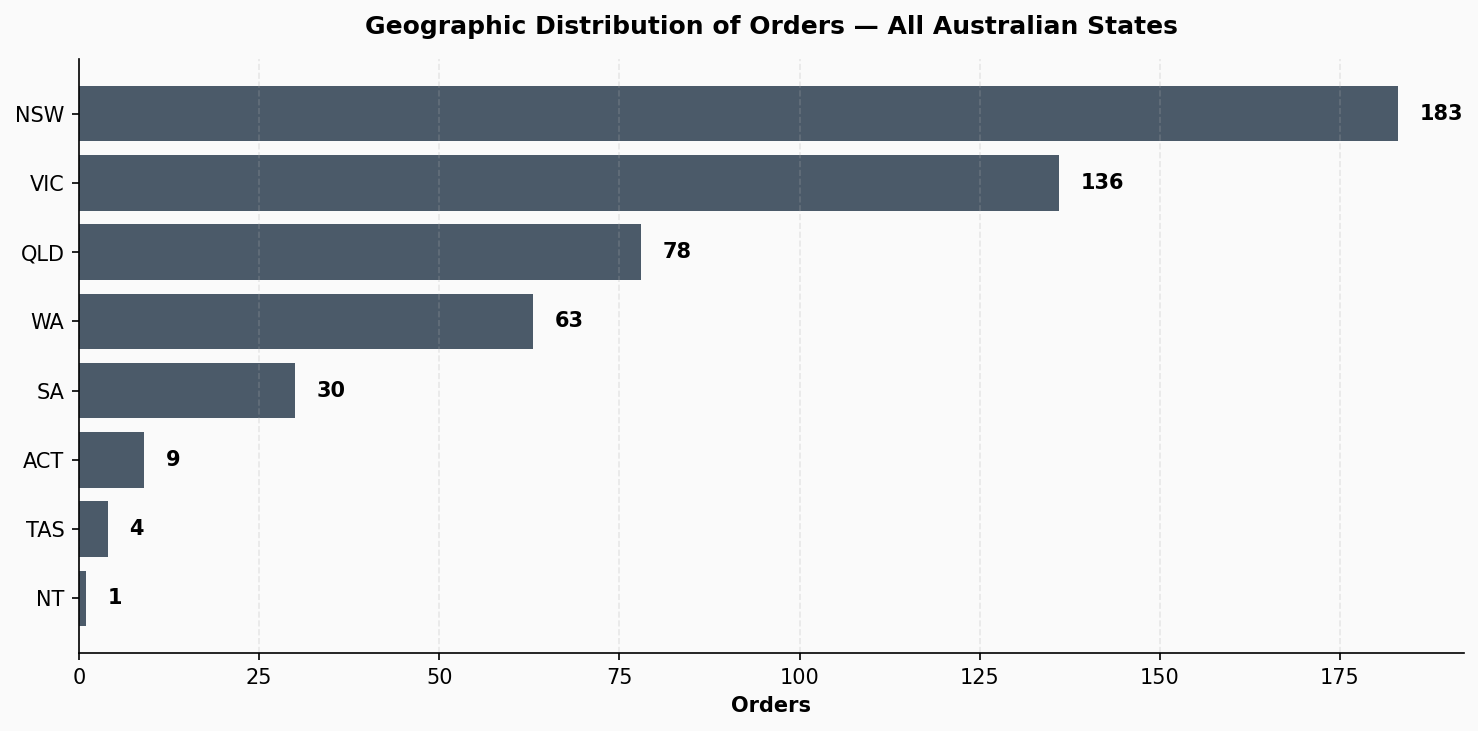
Orders were distributed across all eight Australian states and territories, with NSW and VIC generating the majority of demand | directly informing FBA warehouse routing decisions (see Supply Planning, below).
Supply Planning & PO Timing
Demand-driven purchase order placement
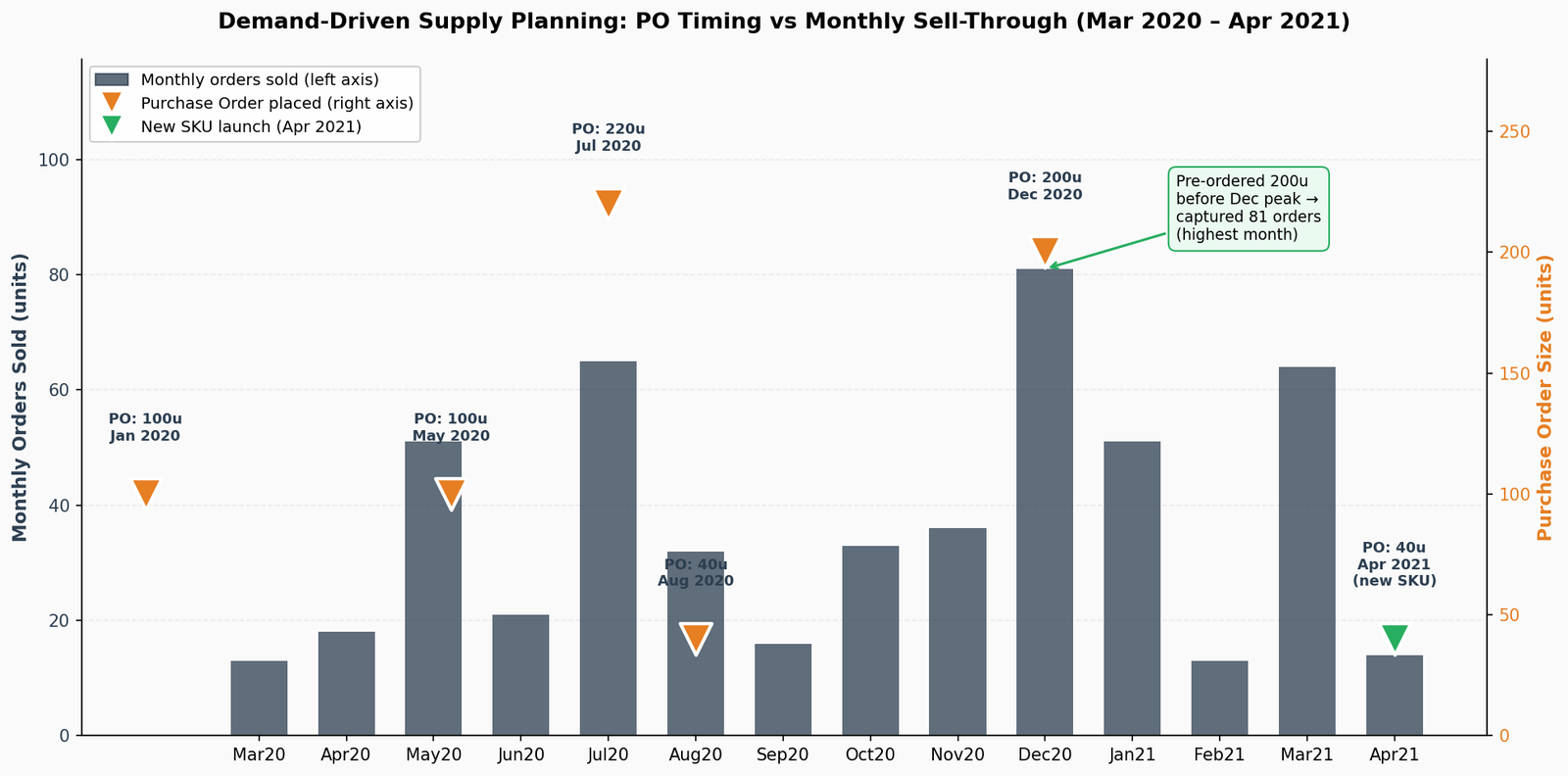
Six purchase orders were placed across 16 months of trading, with 700 total units imported and roughly AUD $22,300 in supply investment. Order quantities and timing were calibrated to observed sell-through: small initial orders during the launch phase, scaling up as demand patterns became clearer, and a deliberate pre-peak replenishment ahead of the December 2020 holiday window.
The clearest example: on 30 December 2020 a 200 unit PO was placed with the Shenzhen supplier | placed at the height of the December peak (81 orders, the best selling month) to ensure replenishment would land in time to support continued Q1 trading.
Supplier diversification
Five of the six POs were placed with Shenzhen Dream True Tech for the curler line. In April 2021 a sixth PO was placed with a new Beijing-based supplier (Shirley Peng) to support the launch of a second SKU, an electric straightening comb. This was the start of deliberate supplier base diversification: reducing single source dependency before scaling further.
Multi Warehouse FBA allocation
Inventory was routed directly from suppliers in China to two Amazon Fulfilment Centres in Australia: MEL1 (Dandenong, VIC) and BWU1 (Moorebank, NSW). The split was informed by observed order distribution, VIC and NSW jointly represented the majority of demand, so stock allocation followed the actual sell, through pattern rather than being centralised in a single FC.
Promotional & Trading Execution
Amazon Sponsored Products | paid media management
Paid search was managed in-house across the laxPRO Hair Curler and Hair Straightener Brush product lines, with active keyword portfolio management | adding new winning terms, removing underperforming terms. 150+ search terms tracked, with full ACOS / ROAS / CTR / CPC measurement.
These figures reflect a self-managed campaign | no agency, no automated bidding software. The same logic that informs Amazon ACOS / ROAS translates directly to broader promotional repricing decisions in a retail or wholesale context: every promotional dollar should be measured against incremental sell-through, not impressions or clicks.
In-season promotional pricing
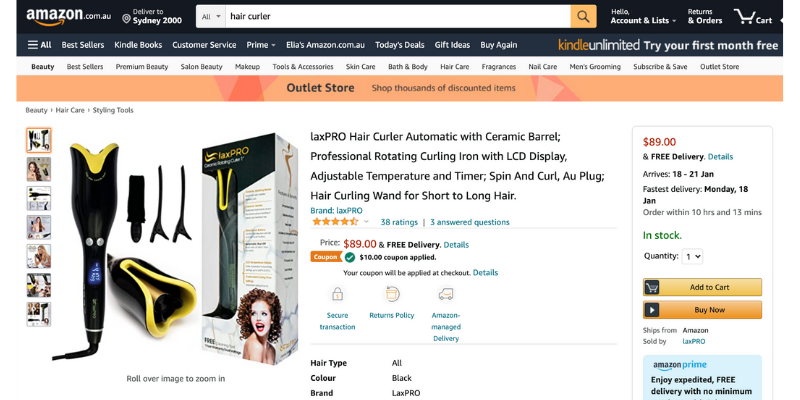
The live Amazon listing screenshot (right) shows a promotional $10 coupon active on the curler at AUD $89.00, with the product ranked organically against the search term "hair curler" on Amazon Australia | 38 customer ratings at 4.5 stars (at the screenshot time), in stock status, FBA fulfilment.
Across Q1 2021, AUD $743 of promotional discounts were deployed across orders to support trading momentum after the December peak | a small but deliberate use of promotional spend to maintain conversion velocity during the seasonal trough.
Product Portfolio & New Launch
The original SKU was the laxPRO Ceramic Hair Curler, sourced from Shenzhen Dream True Tech. In April 2021 a second SKU | an electric straightening comb | was launched, sourced from a different supplier (Beijing-based) for supplier-base diversification.
SKU selection was driven by margin analysis. A 5 product candidate list was evaluated against unit cost, MOQ, and projected revenue/supply ratio. The straightening comb was selected on the strength of a projected 114% revenue-to-supply ratio. Brand assets | logo, colour variants, A+ Content imagery | were extended from the curler to the new SKU under the same trademark.
Listing creative & Enhanced Brand Content
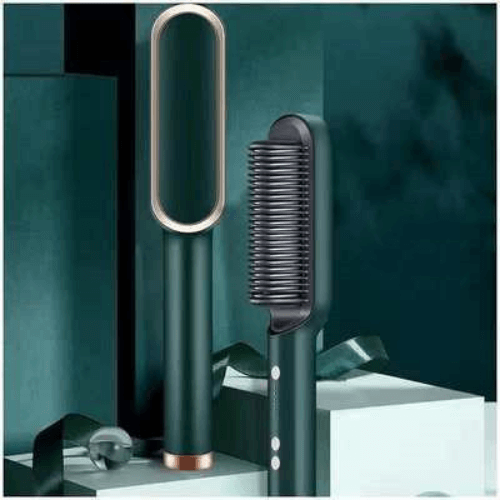
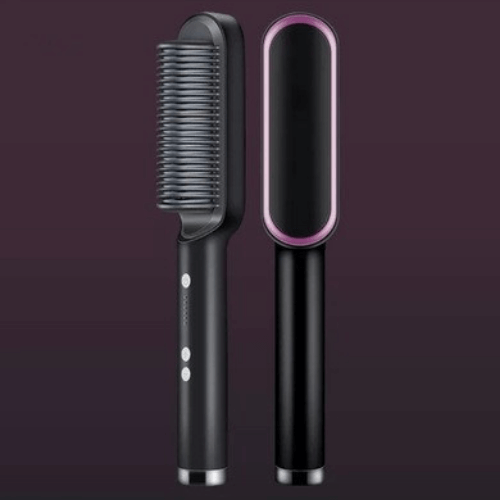
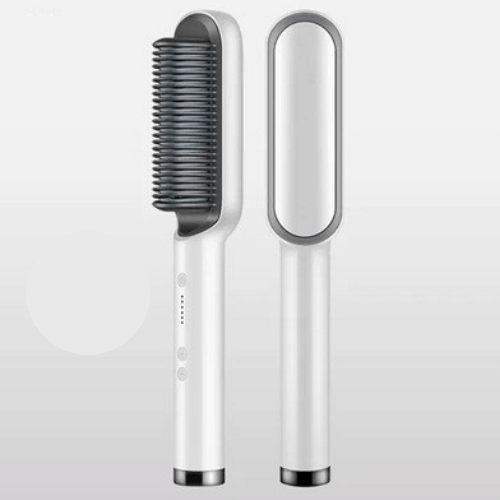
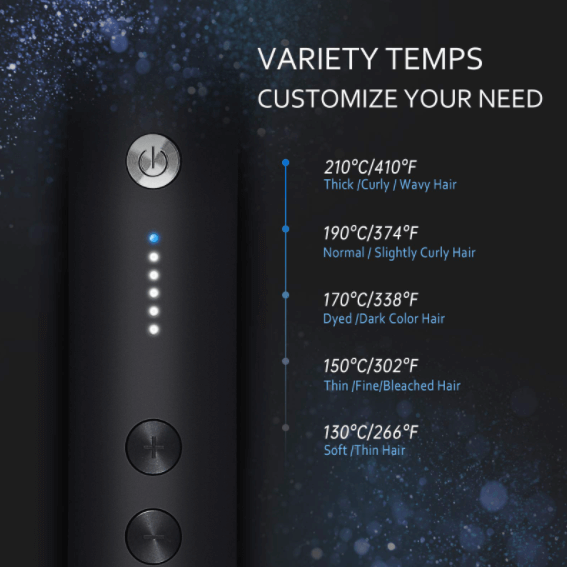
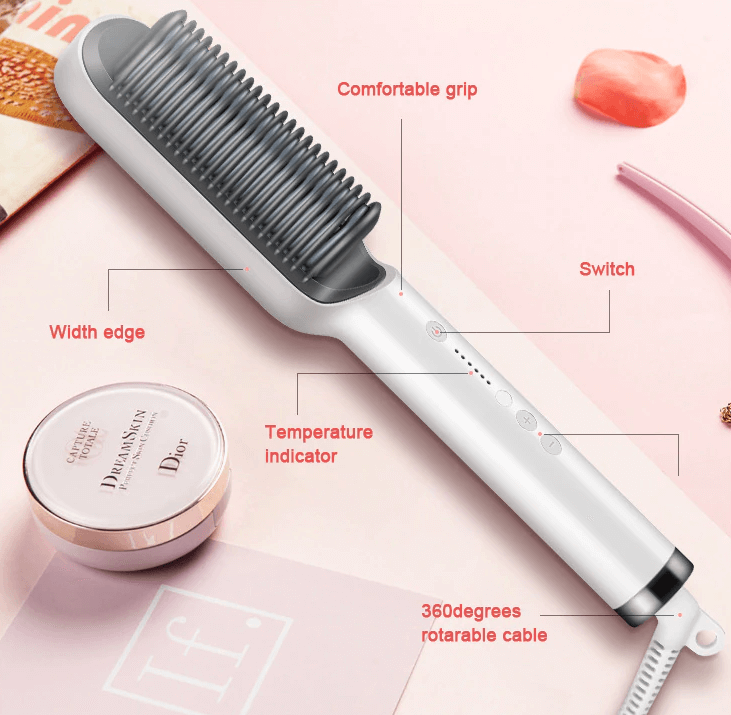
Each Amazon product detail page was supported by Enhanced Brand Content covering temperature settings, before/after results, and labelled product diagrams. Three sample creatives below.

What I Learned (Operational Lessons)
- Forecast accuracy and platform ranking are tightly coupled. On Amazon, a stockout doesn't just lose the immediate sale, it collapses your search ranking, and recovering rank costs more advertising spend than the missed orders. Service level planning and demand forecasting are not separate disciplines; they are the same discipline measured at different points.
- Supplier reliability is a process, not a relationship. An early stockout in 2020 was caused by missing customs documentation from the supplier, not by demand misforecast. After that, every subsequent shipment had to send copies of all required documents for verification before goods left the port. The fix wasn't choosing a different supplier, it was building a verification checklist around the existing one.
- Supply timing matters more than supply pricing. The single most impactful decision of the operating period was placing a 200 unit PO with the Shenzhen supplier on 30 December 2020, at the height of the holiday peak. That replenishment sustained Q1 2021 trading when stockouts would have collapsed the listing's organic ranking. Negotiating a few cents off unit cost would not have come close to the value of getting the timing right.
- Promotional spend has to be measured against incremental sell-through. Amazon's interface optimises for impressions and clicks. Real economic outcome depends on ACOS and ROAS | and on which keywords are converting at margin, versus burning ad budget. Active keyword pruning beats passive bidding.
- Product portfolio decisions start from margin, not gut feel. The second SKU was selected through structured analysis of unit economics across five candidates, not because the product seemed interesting. Founders learn this lesson the hard way; demand planners institutionalise it.
Verification & Documentation
Public records:
- Australian Trademark #2147180 | link -> IP Australia trade mark register (registered until 2031, Class 8 hair styling implements).
- Trade mark certificate (PDF): link -> IP Australia filing letter .
- Skynet World Trading ABN | active since 2018, viewable on the Australian Business Register .
- Sample supplier purchase order (PDF): link -> Alibaba Shenzhen Dream True Tech receipts .
The business currently operates under the trading name "Skynet World Trade" (registered with ASIC since June 2025); the laxPRO trademark was filed in 2021 under the prior trading name "Skynet World Trading". Both names refer to the same continuously active ABN since 2018. The 13 months of operating data presented above (March 2020 - April 2021) are the records currently retrievable from local archive. Full historical data covering the complete operating period is being recovered from Amazon Seller Central. All customer-level personal data has been removed from these records; only aggregate order, revenue, and unit metrics are presented.